Fable Bug: A Wickedly Charming Serif for Story-Driven Brands
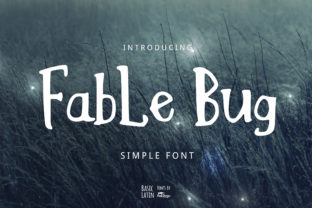
Running a small business means wearing every hat, from CEO to customer support to graphic designer. One of the most frequent challenges I face is finding visual elements that instantly communicate my brand’s personality without requiring a massive design budget. For me, typography is not just about readability; it is about voice. When I stumbled upon Fable Bug, a fantastic serif font with distinct character, I realized it could be the missing piece in my branding puzzle. It is not merely a typeface; it is a storytelling tool that brings a touch of whimsy and wicked charm to any fairytale-themed or narrative-driven project.
Why Personality Matters in Typography
In a crowded marketplace, consistency is key to building trust. Customers decide within seconds whether a brand feels professional, approachable, or authentic. The fonts you choose act as the voice of your brand. If you sell handmade candles, your typography should smell like comfort and craft. If you run a boutique coaching service, it should feel empowering yet grounded. Fable Bug offers a unique blend of elegance and playfulness. As a serif font, it carries the inherent authority and tradition associated with printed literature, but its specific curves and details inject a sense of magic and intrigue.
For entrepreneurs, this duality is powerful. You want to look established enough to be trusted but creative enough to stand out. Fable Bug achieves this balance by avoiding the stiffness of traditional corporate serifs while steering clear of the chaos often found in purely decorative scripts. It sits comfortably in the realm of modern typography, offering a premium feel that elevates even simple designs.
Real-World Applications for Small Businesses
The true test of any font is how well it performs across various business touchpoints. Here is how I have seen Fable Bug transform everyday materials into cohesive brand assets:
- Product Labels and Packaging Design: For artisans selling soaps, jams, or beauty products, the label is the first physical interaction a customer has with the brand. Fable Bug works beautifully on packaging design because its serif structure remains legible at smaller sizes while still commanding attention. Imagine a jar of artisanal honey with a label featuring Fable Bug for the product name—it immediately suggests quality and heritage.
- Social Media Graphics: On platforms like Instagram and Pinterest, visual hierarchy is crucial. Using Fable Bug as a headline font for promotional posts or event announcements draws the eye. Its "wicked charm" makes static images feel dynamic and engaging, encouraging users to stop scrolling and read the caption.
- Digital Ads and Website Banners: In web design, space is limited. A strong display font can convey mood faster than imagery alone. When used for website banners or hero sections, Fable Bug sets a thematic tone that aligns with the content, whether it is a seasonal sale or a new collection launch.
- Printed Collateral: Business cards, flyers, and thank-you cards benefit significantly from expressive typefaces. Including Fable Bug in these materials adds a tactile sense of luxury. It signals to the recipient that you care about the details, which reinforces brand loyalty.
Strategic Usage: Headlines vs. Body Text
While Fable Bug is versatile, understanding where it fits best in your layout is essential for maintaining professionalism. It shines brightest as a display font or logo design element. The intricate details of the serifs are meant to be admired, not read in bulk. Therefore, it is ideal for:
- Logos: Creating a memorable logo design requires a font that is distinctive. Fable Bug provides a unique silhouette that can become synonymous with your brand identity.
- Headlines and Titles: Use it for main headings on menus, event posters, or blog headers. The bold presence of the letters ensures they capture attention immediately.
- Accent Text: Highlighting key phrases or quotes within a design can add depth when using Fable Bug sparingly.
However, caution is advised when considering body text. While it is a serif font, its decorative nature may reduce readability if used for long paragraphs, especially on mobile screens where screen real estate is limited. For supporting text, such as descriptions, contact information, or legal disclaimers, it is better to pair it with a cleaner sans serif font or a highly readable serif font. This contrast creates a balanced visual rhythm that guides the reader’s eye smoothly through the content.
Font Pairing for Cohesive Brand Identity
No font exists in isolation. To maximize the impact of Fable Bug, thoughtful font pairing is necessary. The goal is to let the expressive typeface take center stage while the secondary font handles the heavy lifting of communication. A classic and effective strategy is to pair Fable Bug with a clean, minimal sans serif font. The simplicity of the sans serif font allows the complexity of Fable Bug to breathe without creating visual clutter.
For example, a café owner might use Fable Bug for the menu titles (e.g., "Morning Brews," "Sweet Treats") while using a neutral sans serif for the ingredient lists and prices. This combination ensures that customers can easily navigate the menu while still feeling immersed in the café’s unique atmosphere. Similarly, an online seller might use Fable Bug for their shop banner and a straightforward sans serif for product specifications. This approach maintains a professional standard across all digital and print assets.
Testing and Practical Considerations
Before committing to Fable Bug for your entire brand identity, it is wise to conduct practical tests. Typography looks different on paper than it does on a screen. Print out samples of your logo, labels, and social media templates to see how the font holds up in black and white, in grayscale, or when scaled down to sticker size. Check for clarity in small formats, such as on Instagram profile pictures or email signatures.
Additionally, always review the commercial font licensing terms. As a business owner, you need to ensure that your use of Fable Bug complies with the creator’s guidelines, especially if you are using it on merchandise, client work, or digital downloads. Understanding the scope of the license protects your business from legal issues and supports the designers who create these valuable design assets.
Elevating Your Brand with Narrative Typography
Ultimately, choosing Fable Bug is about more than aesthetics; it is about alignment. If your business thrives on storytelling, creativity, and a touch of magic, this font resonates with those values. It helps create a recognizable and trustworthy image that connects emotionally with your target customers. By integrating this creative font strategically into your marketing, packaging, and web design, you transform ordinary materials into memorable brand experiences. In the world of small business, where every detail counts, Fable Bug offers a wickedly smart solution for standing out with style and substance.